Sharing Methods for Surface Treatment of Metals After Machining in Mechanical Products
In the mechanical industry, surface treatment of metals after machining plays a crucial role in ensuring product quality, durability, aesthetics, and the ability to withstand environmental factors. Surface treatment not only protects the metal from corrosion but also improves its mechanical properties. Below are some of the most popular and effective methods used for surface treatment of metals after machining:
1. Electroplating
Electroplating is one of the most popular and traditional methods for surface treatment of metals. The process uses electrical current to deposit a thin layer of metal onto the surface of the product. Common metals used in electroplating include nickel, chromium, copper, and zinc.
- Benefits: Electroplating enhances corrosion resistance, improves product durability, and increases the aesthetic appeal of the product. It is especially effective in protecting products in humid environments, preventing oxidation.
- Applications: Products like automotive parts, electronics, household tools, and decorative accessories often utilize this method.
2. Electroless Plating
Electroless plating is a method where metal is plated onto a surface without the use of electrical current. Instead, the process relies on chemical reactions in a solution to create the metal coating. This method is highly useful for products with complex shapes that cannot be uniformly plated with electroplating.
- Benefits: Electroless plating ensures a uniform metal coating on all surfaces, including difficult-to-reach areas. It also protects metal surfaces from corrosion and oxidation.
- Applications: It is commonly used for automotive parts, electronics, and industrial machinery components.
3. Anodization
Anodization is an electrochemical process used primarily on aluminum and aluminum alloys. This process forms a layer of oxide on the metal surface, which enhances the metal’s durability and corrosion resistance.
- Benefits: The oxide layer created is not only protective but also provides color customization, making products more aesthetically pleasing. Additionally, it is very hard and helps protect against scratches.
- Applications: Anodization is widely used in aluminum products such as computer casings, electronics, and sports equipment.
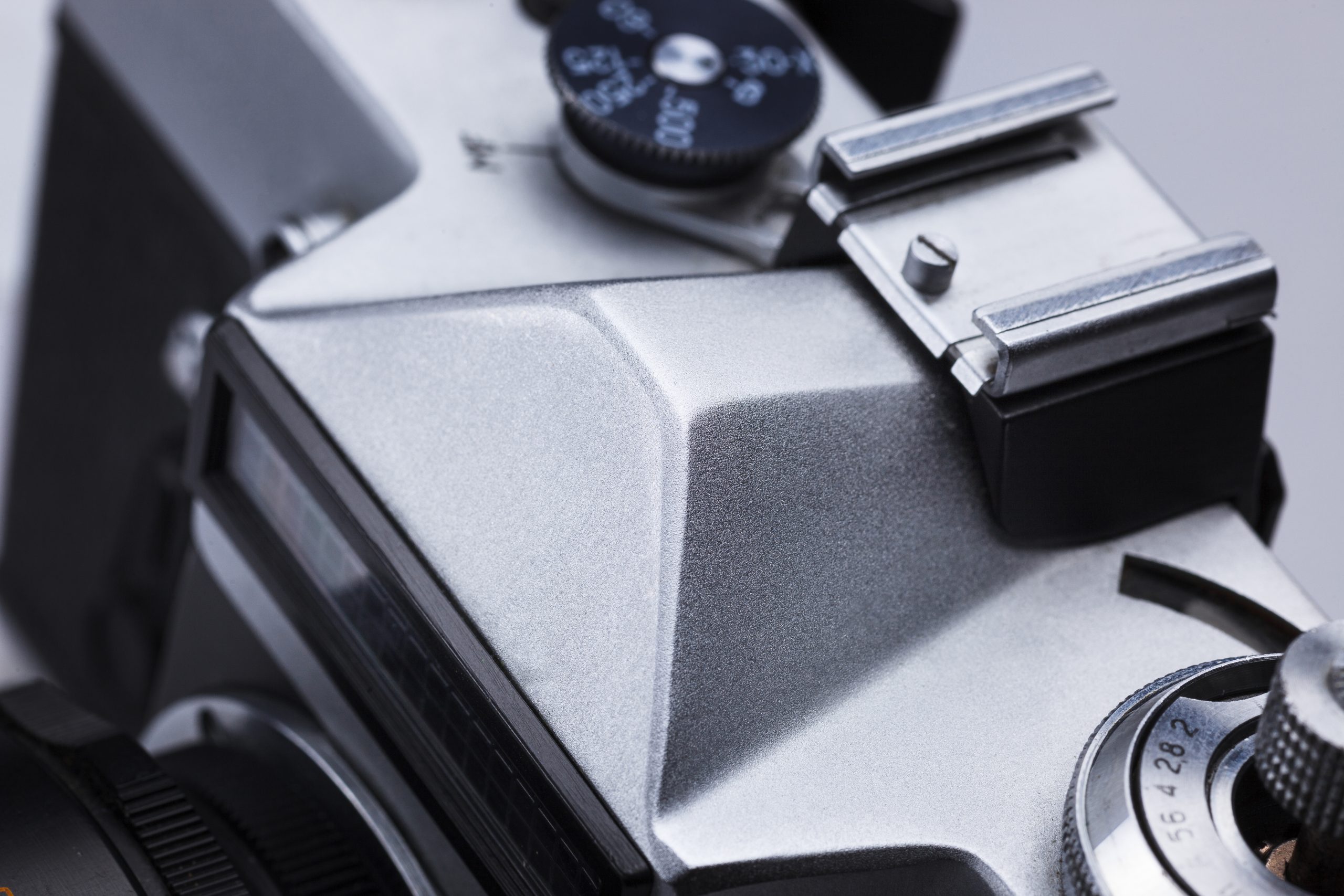
4. Sandblasting
Sandblasting is a method used to clean metal surfaces by blasting abrasive particles onto the surface at high pressure. This process removes rust, impurities, and old oxide layers from the metal surface.
- Benefits: Sandblasting cleans the metal surface, making it smooth and prepared for subsequent processes such as painting or plating. It also creates the necessary roughness to improve adhesion.
- Applications: Sandblasting is commonly used in construction, automotive manufacturing, machinery fabrication, and other metal product industries.
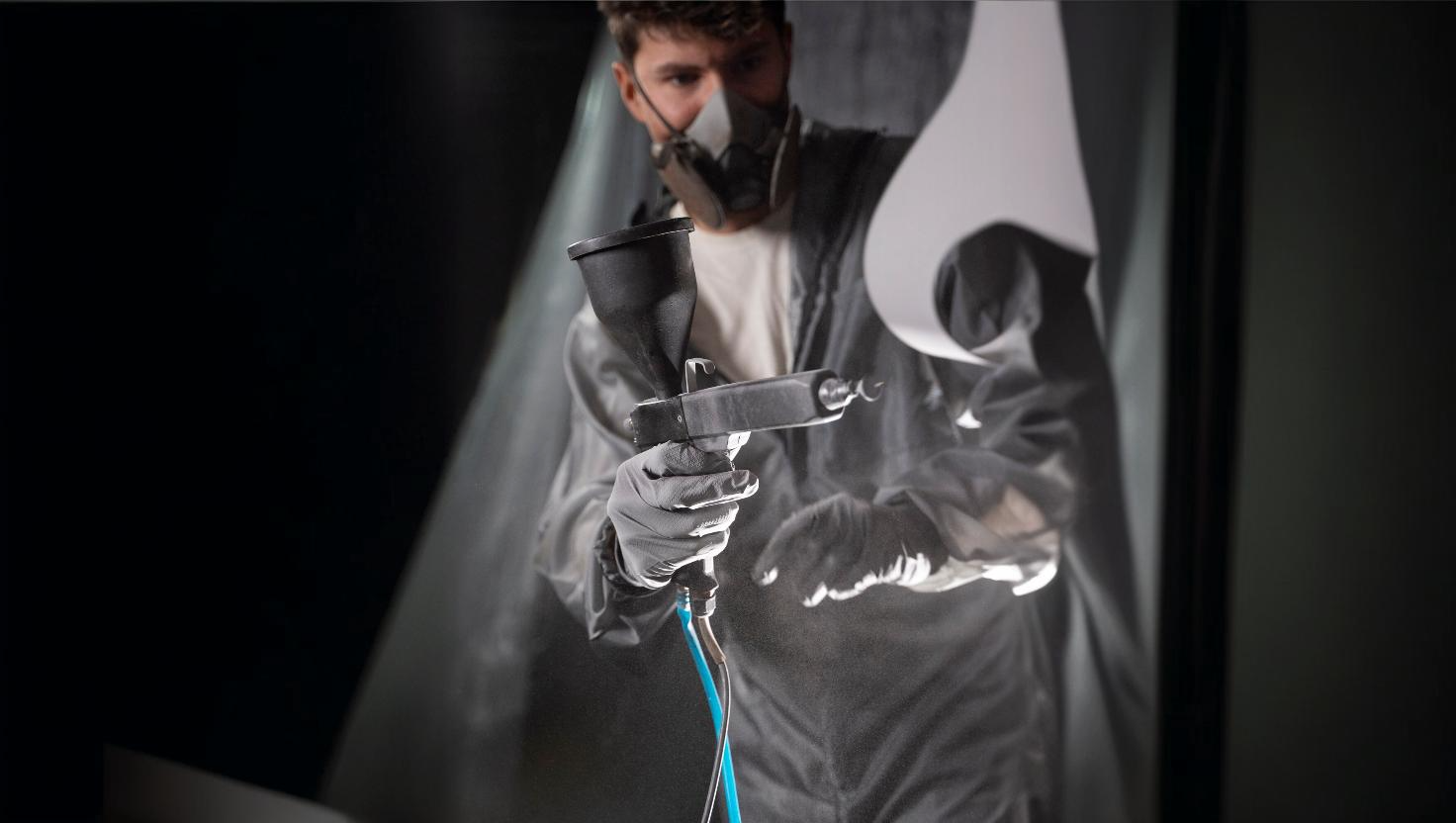
5. Chemical Pickling
Chemical pickling uses an acidic solution to remove rust, impurities, and oxide layers from the metal surface. After machining, products may be oxidized or contaminated by machining residues, and this process helps clean the surface before further treatments.
- Benefits: It ensures a completely clean surface, free of rust and contaminants, and prepares the metal for the next protective layer.
- Applications: It is commonly applied to steel, iron, and other metals in the machine manufacturing industry.
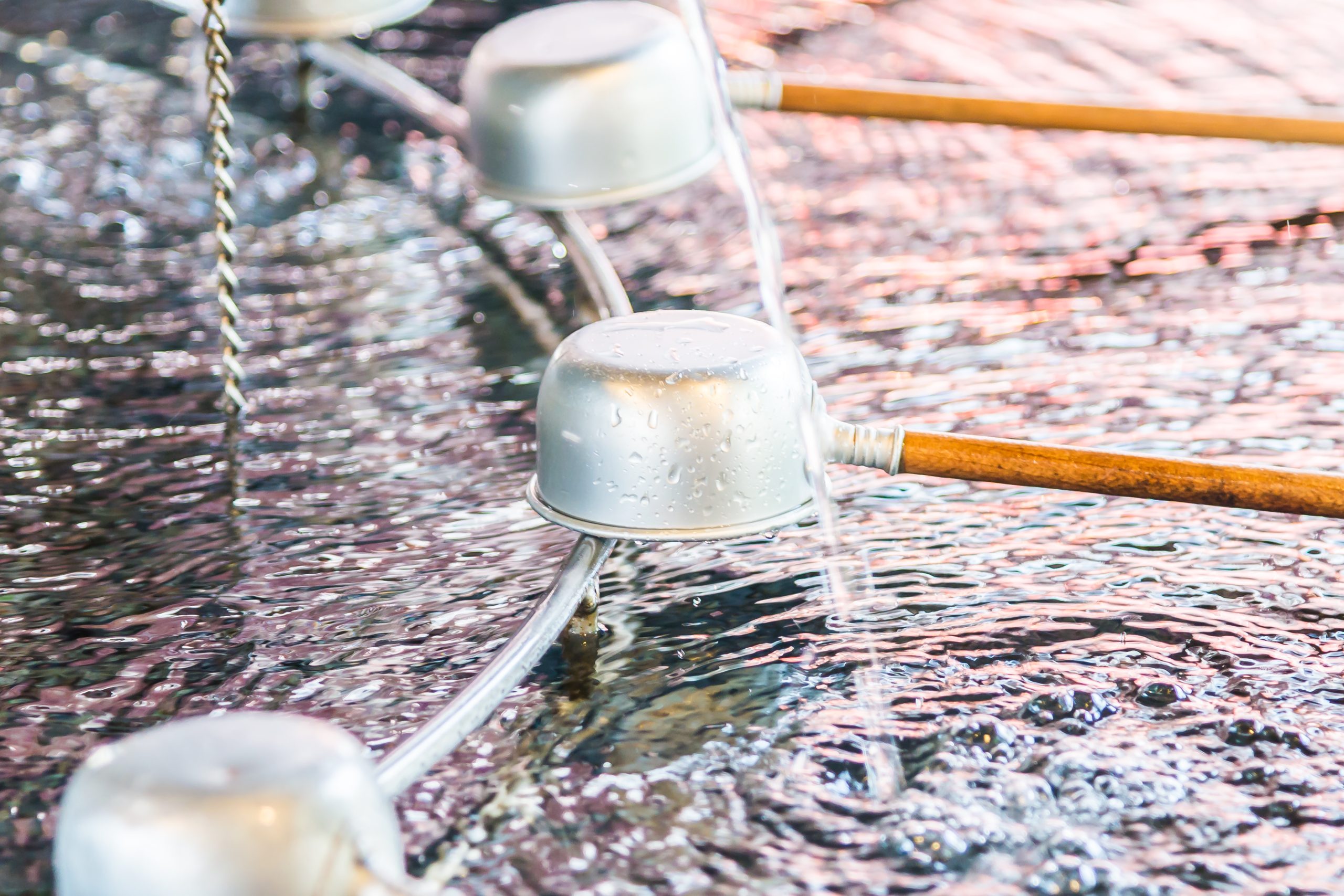
6. Heat Treatment
Heat treatment is a process where metals are heated and cooled in specific conditions to alter their microstructure. This process helps improve the mechanical properties of the product, including tensile strength, hardness, and wear resistance.
- Benefits: Heat treatment strengthens the metal, making it more resilient and able to withstand external forces during use.
- Applications: This method is used in manufacturing components like automotive parts, cutting tools, and machinery parts that require high strength.
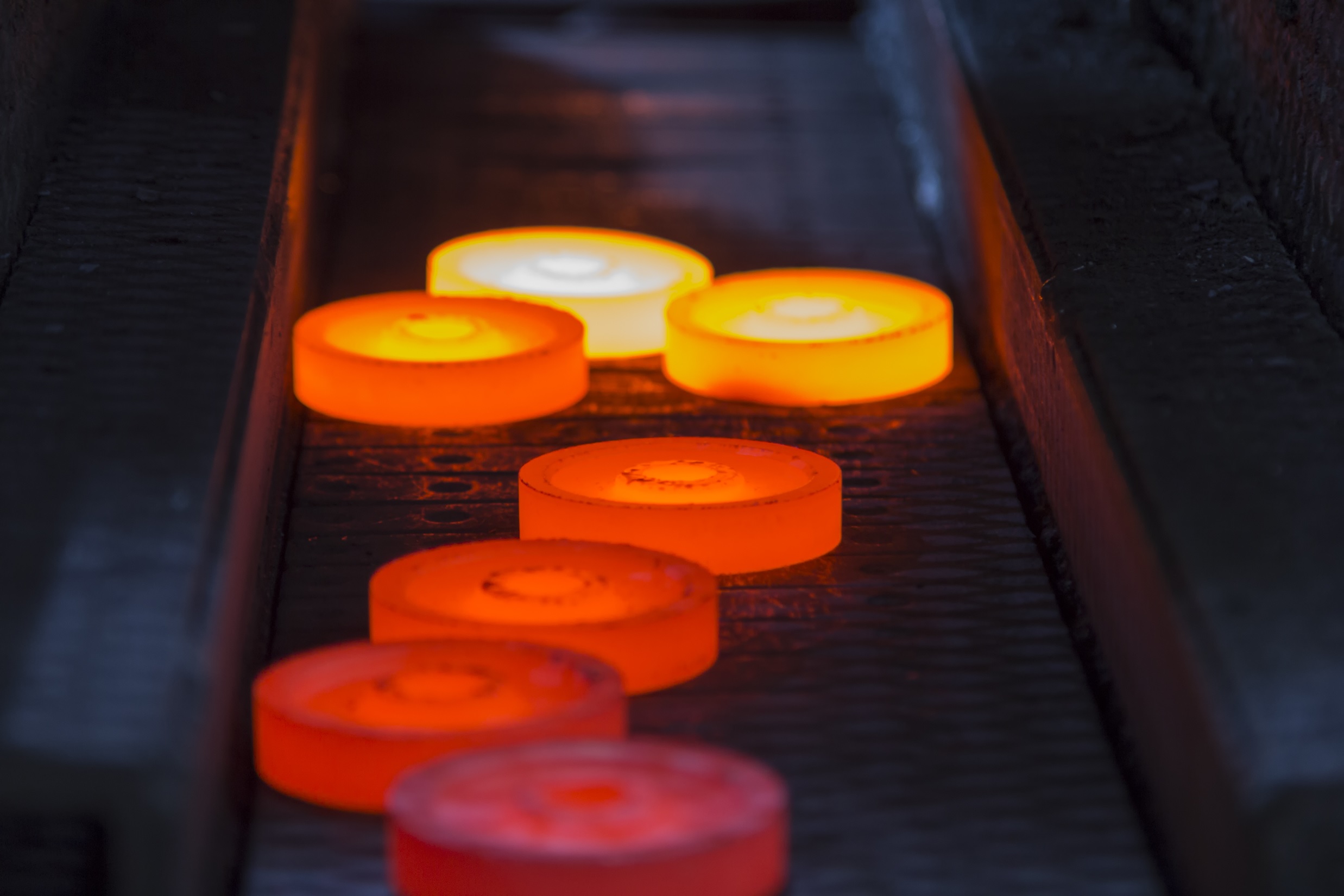
7. Protective Coatings
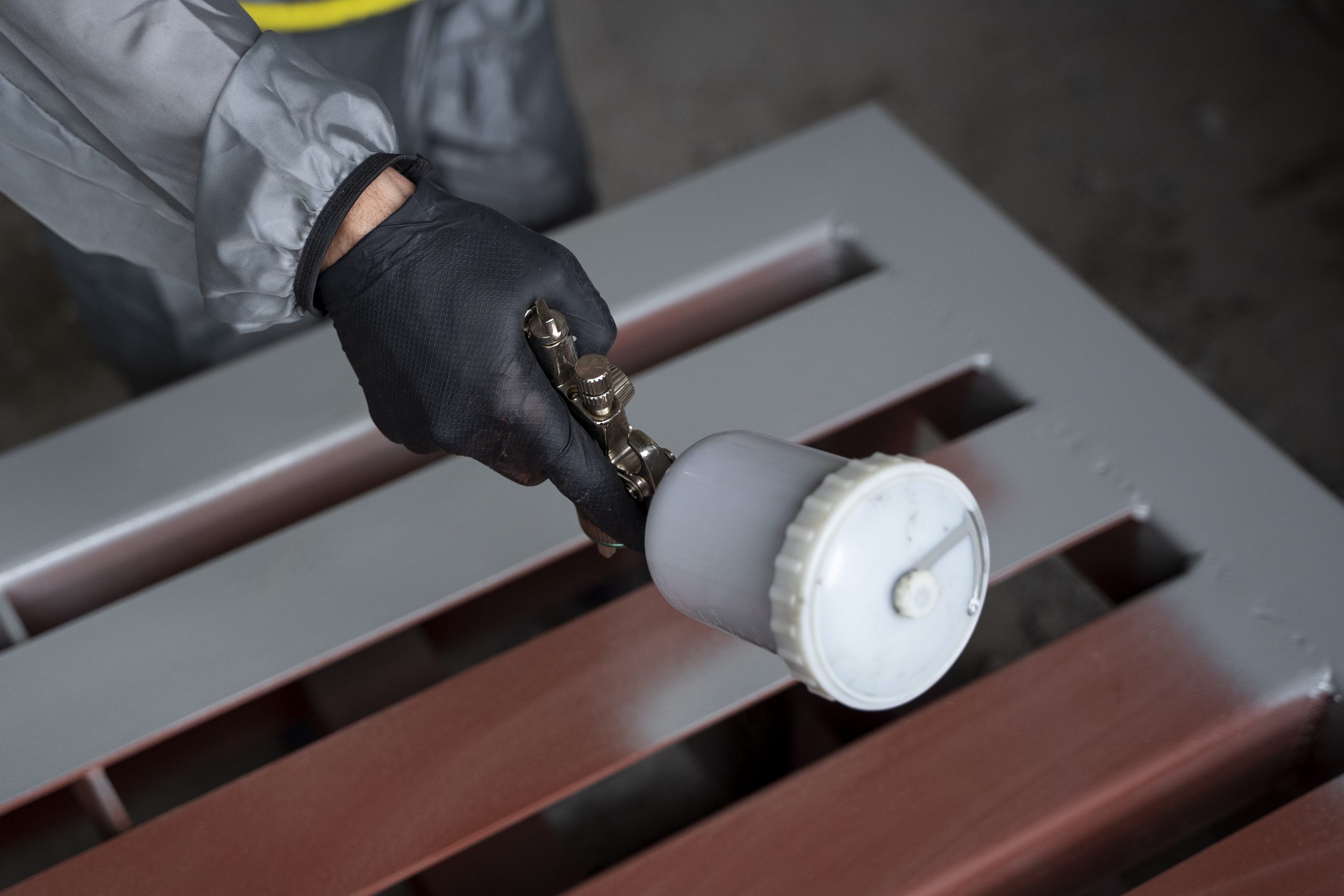
Protective coatings are applied to shield metals from environmental factors that could cause damage, such as water, chemicals, and wear. These coatings may include paints, polymers, or other materials that protect the metal surface.
- Benefits: They increase the product’s lifespan by protecting the metal from corrosion and external damage in harsh environments.
- Applications: Protective coatings are commonly used on steel, aluminum, and other metal products in construction, mechanical engineering, and equipment manufacturing.
8. Laser Treatment
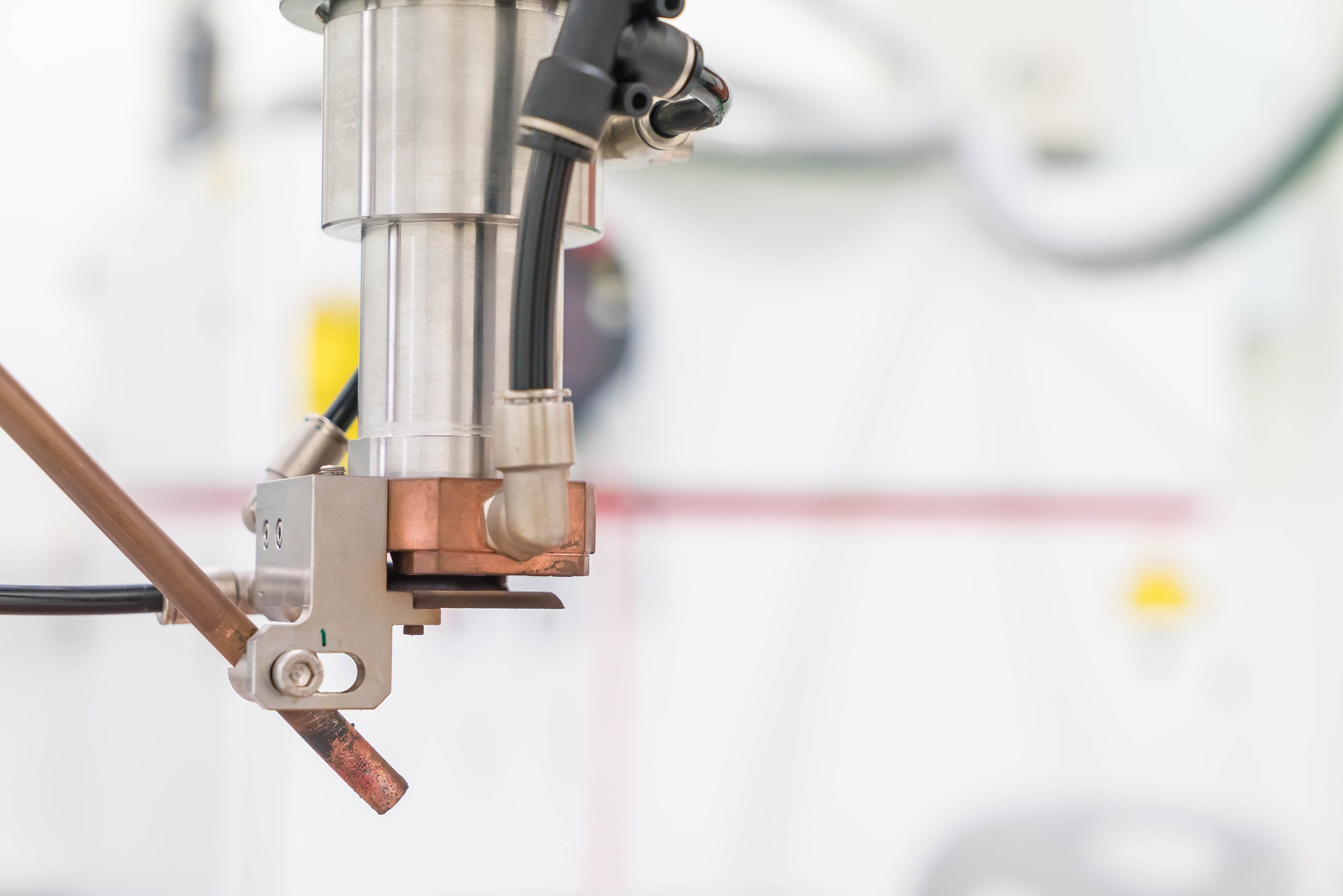
Laser treatment uses high-intensity laser beams to treat the surface of metals, changing its surface properties without affecting the internal structure. This method helps create protective layers that increase hardness and wear resistance.
- Benefits: It creates a tough, durable surface layer, increasing the product’s hardness and longevity.
- Applications: Laser treatment is often used in industries requiring high precision and strong wear resistance, such as mold production and automotive parts.
Conclusion
Surface treatment of metals after machining is an essential step in the production of mechanical products. Depending on the requirements of the product, methods such as electroplating, anodization, sandblasting, or heat treatment can help improve the product’s quality, durability, aesthetics, and corrosion resistance.
Choosing the right treatment method ensures that the product performs optimally and reduces maintenance costs, extending the product’s life. Therefore, surface treatment is a critical aspect that every mechanical manufacturer should focus on to ensure successful production and deliver high-quality products to the market.
