
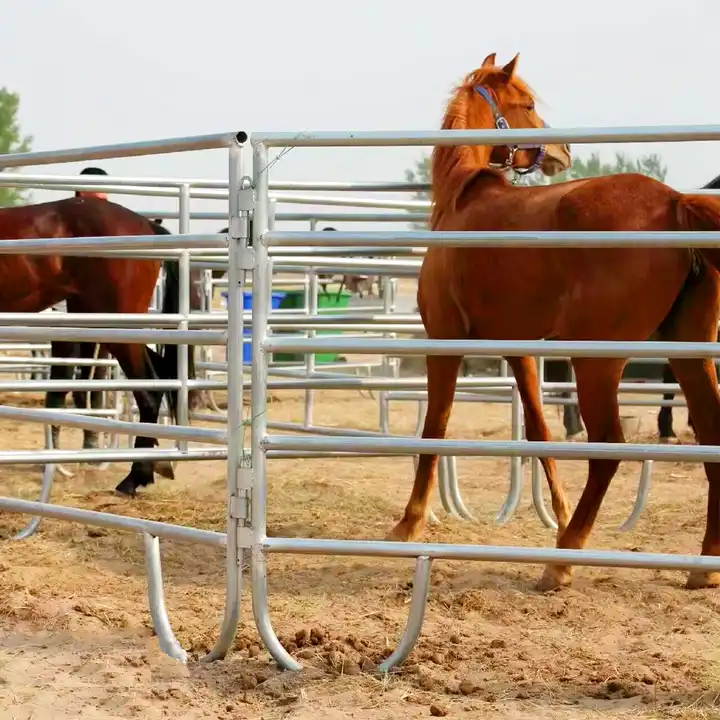
Key Components of Effective Cattle Yard Design
1. Layout Efficiency
The layout of a cattle yard is critical for smooth operations. A well-designed layout minimises stress on the animals and reduces the risk of injury to both cattle and handlers. Circular or curved raceways encourage the natural movement of cattle and improve flow. The layout should also provide clear separation between working areas and holding pens, with easy access for trucks and equipment.
2. Animal Welfare Considerations
Animal welfare is central to cattle yard design – providing ample space for cattle to move, rest and access food and water. Sheltered areas protect animals from extreme weather, while non-slip surfaces reduce the risk of falls and injuries. Stress-free handling systems, such as low-stress stock handling techniques and facilities that reduce noise and visual distractions, contribute to the overall well-being of the cattle.
3. Sustainability and Environmental Impact
Sustainability is increasingly becoming a focus in cattle yard design. This involves using renewable resources, such as solar power for water pumps and fencing, and incorporating natural landscape features into the design. Effective waste management systems, including the separation and composting of manure, minimise environmental impact and can provide additional revenue streams through the sale of compost.
4. Safety and Accessibility
Safety for workers and animals alike is a critical aspect of yard design. This includes ensuring that all structures are sturdy and free from protrusions that could cause injury. Walkways and escape routes for handlers should be clearly marked and easily accessible. The design should also comply with Australian standards and regulations to ensure the highest levels of safety and welfare.
Innovation and Technology in Cattle Yard Design
The landscape of cattle yard design is being transformed by emerging technologies, presenting exciting possibilities for enhancing both operational efficiency and animal welfare. The adoption of automated watering systems, wearables for real-time health monitoring, and the use of drones for overseeing extensive areas, marks a shift towards more efficient and responsive cattle management practices. Embracing these innovations demands a progressive mindset, weighing up-front costs against the enduring advantages of increased productivity and ecological responsibility.
Equally transformative is the role of Computer-Aided Design (CAD) in redefining the planning and execution of cattle yard projects. CAD’s capabilities enable the meticulous crafting of layouts, offering a virtual preview of intricate arrangements and functionalities before construction commences. This tool is indispensable for maximising spatial efficiency and ensuring every design element serves the well-being of the cattle and the smooth operation of the yard. CAD empowers designers to experiment with various layouts, predict animal movement patterns, and make informed choices that bolster yard functionality, from the strategic positioning of essential resources to the creation of serene handling zones. Moreover, CAD supports the integration of eco-friendly measures, like effective waste management and the use of green energy, by facilitating accurate resource and energy estimations. The flexibility to refine designs digitally minimises potential construction-phase errors, paving the way for facilities that uphold the highest standards in animal care, operational safety, and environmental stewardship.
ASIA Mechanical provides a variety of cattle yard solutions and services tailored to meet your agricultural needs. Leveraging our farming expertise, we recognise the unpredictability of livestock and the potential risks to handlers, emphasising the importance of well-constructed livestock handling systems for enhanced safety.

